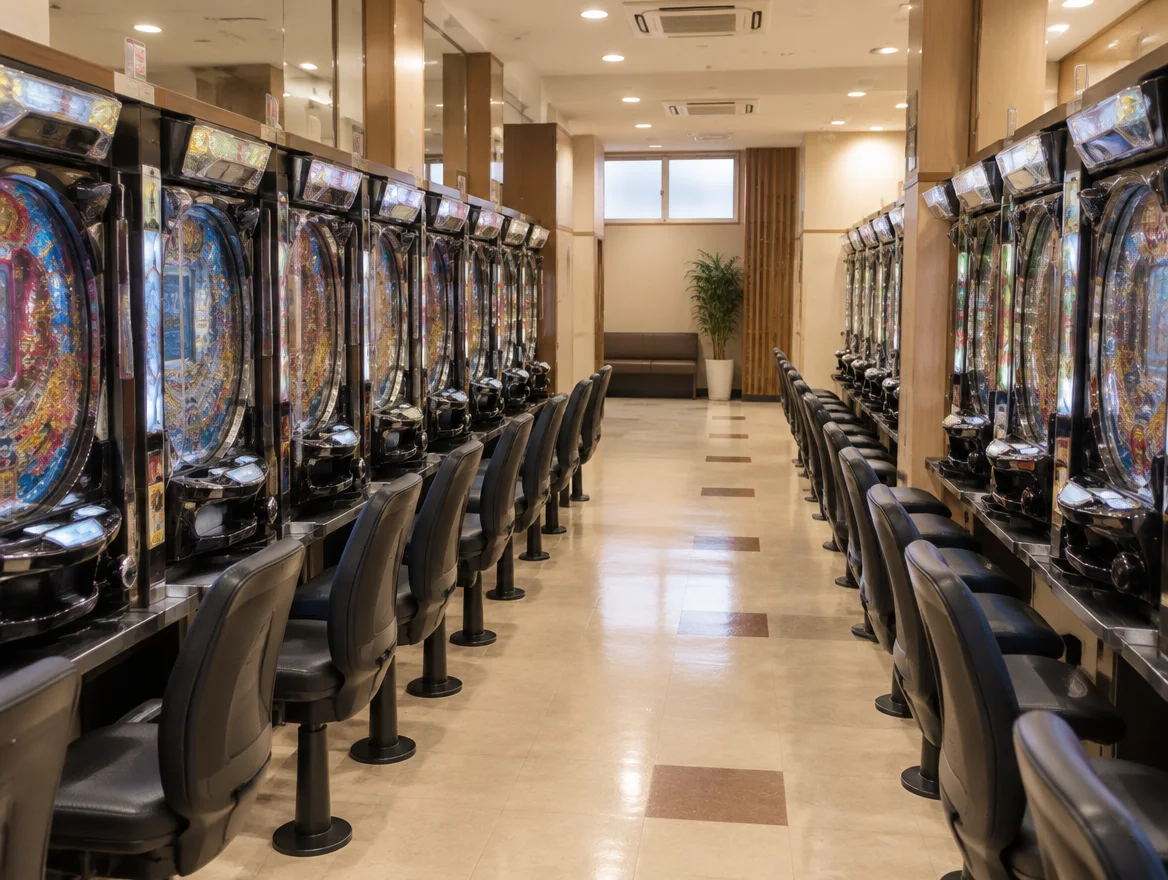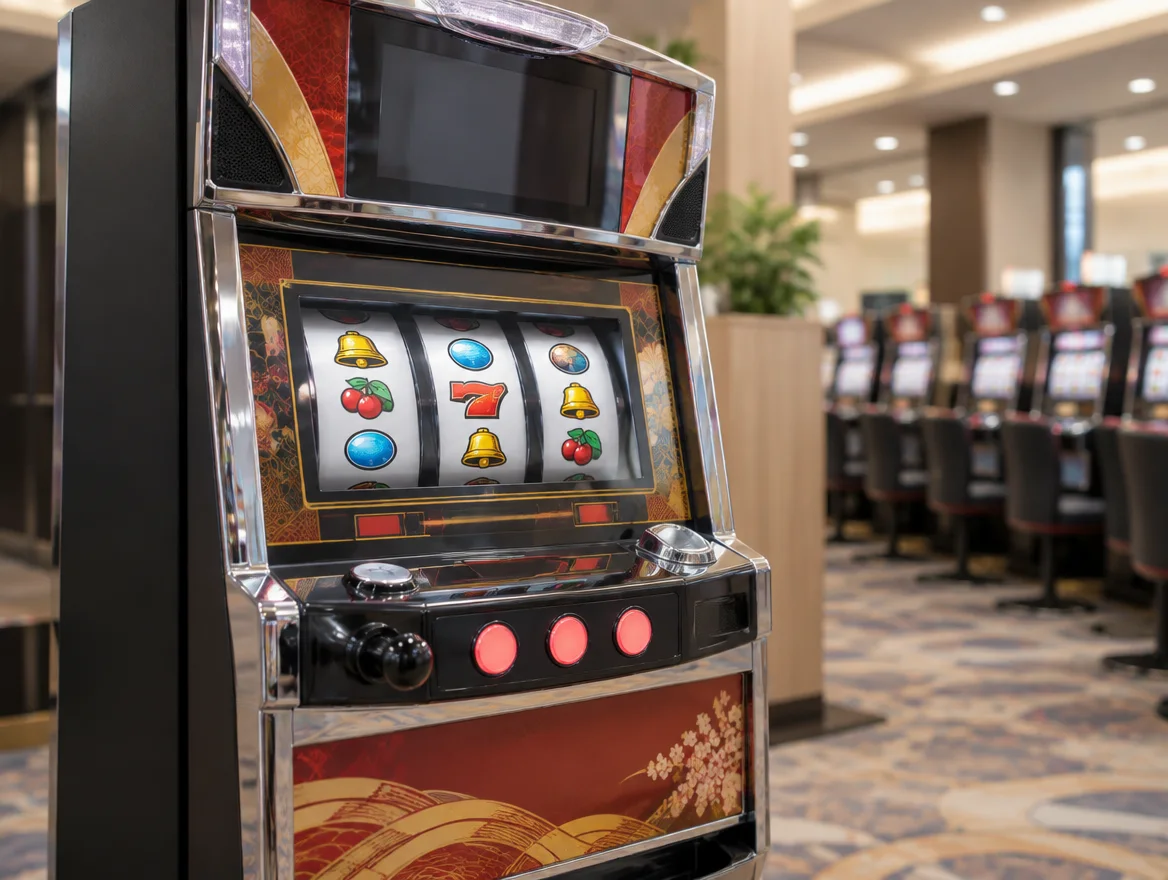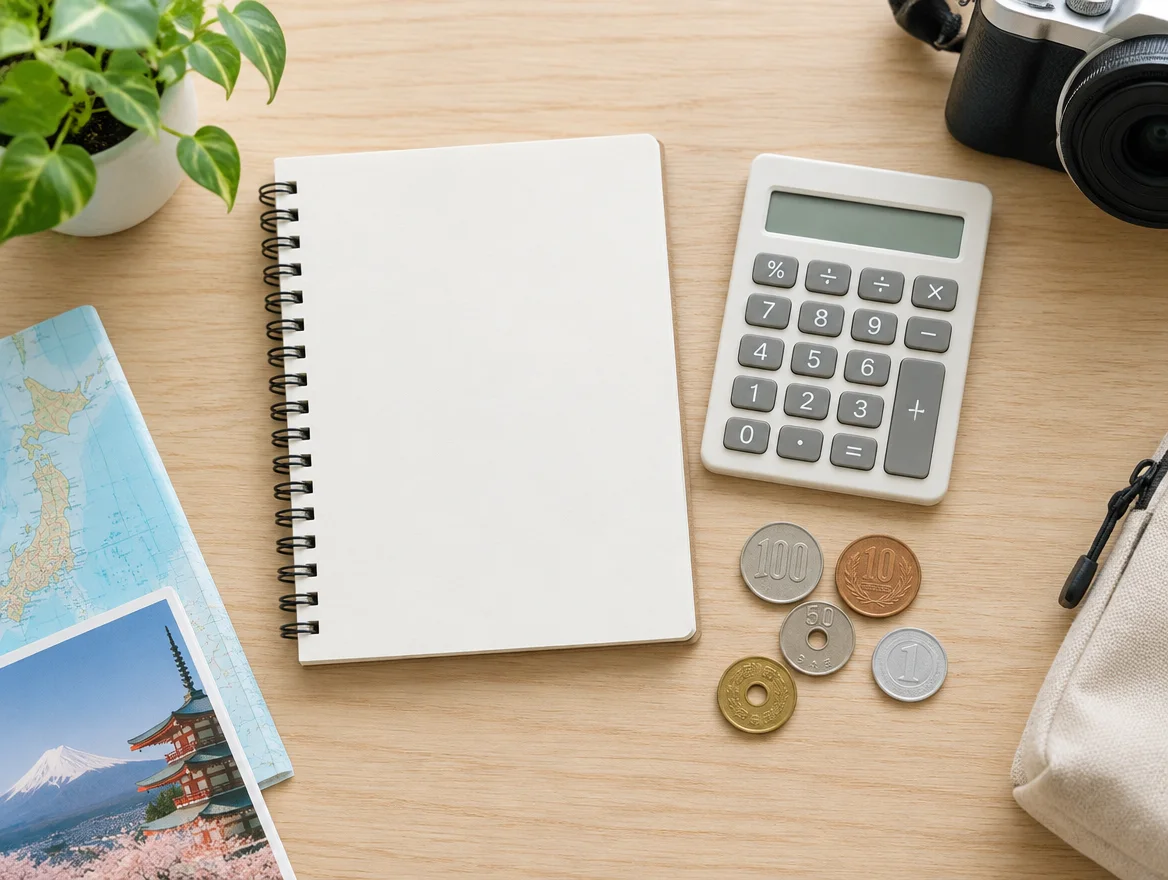
The number one reason visitors don’t try pachinko is money. In a 2023 survey of 349 foreigners in Osaka, 321 thought you could lose ¥50,000 or more in an hour, and “not knowing how much money is needed” is one of the top reasons people don’t go in (Global Pachinko survey via PachiSeven). The truth is simpler: you decide the maximum, because the machine only takes the banknotes you feed it. Here’s what your yen actually buys.
What ¥1,000 buys
Pachinko
| Rate | Price per ball | Balls for ¥1,000 |
|---|---|---|
| 4-yen pachinko (standard) | ¥4 | 250 |
| 1-yen pachinko | ¥1 | 1,000 |
| 0.5-yen (some halls) | ¥0.5 | 2,000 |
At 4-yen, each press of the rent button usually gives ¥500 worth: 125 balls (Pachinko Industry Web Reference; DMM). The 1-yen and 4-yen figures match Kawaraban’s guide (Kawaraban). The 0.5-yen figure is our arithmetic.
Pachislot
| Rate | Medals for ¥1,000 | Games for ¥1,000 (3 medals each, no wins) |
|---|---|---|
| 20-yen (standard) | about 46–50 | about 15–16 |
| 5-yen | about 200 nominal (fewer once tax is built in) | about 60+ |
On a 20-yen machine, ¥1,000 typically buys 50 medals, or about 46 when the hall includes consumption tax (DMM). Game counts are our own arithmetic at three medals per game, before any small wins come back to you.
How long does ¥1,000 last?
Often just minutes at 4-yen. An older review of MARUHAN Shinjuku says ¥1,000 lasts “an average of 10 minutes” (Japan Travel). Japan Guide warns that with only a few hundred yen, your balls are “likely to all disappear within just a couple of minutes” (Japan Guide). At 1-yen you get four times the balls for the same money, so the same note lasts much longer. That’s why 1-yen is the best place to learn.
Realistic first-visit budgets
| Plan | Budget | Who it suits |
|---|---|---|
| “Just a taste” | ¥1,000–¥2,000 at 1-yen | Curious, with 20–30 minutes to spare |
| “Proper first session” | ¥3,000–¥5,000 | Matches what a Tokyo guided tour suggests as a play budget |
| Guided tour | Tour fee plus play money | Tours list ball rental as an extra, e.g. ¥4,000 per person |
The guided tour figures come from the Global Pachinko “Discover the Secrets of Pachinko” tour in Nippori, which lists ball rental of ¥4,000 per person as not included and suggests a play budget of about ¥3,000–5,000 (Peek). The other budgets are PachiPass suggestions, not rules.
Why most people come out behind
Parlours are businesses. Across all players, they take in more than they give back. Short-term results swing wildly in both directions, and that’s exactly what makes it exciting. A machine’s printed odds (for example 1/319 for a “middle” machine, or roughly 1/70–1/128 for an amadeji) tell you how rare a jackpot is, not when it will come (Global Pachinko). Amadeji machines hit more often but pay less per hit, so they’re gentler on a small budget.
Treat what you put in as the ticket price. Whatever you get back is a bonus.
Money tips
- Bring yen banknotes. Lending units take yen notes only: no cards, coins or phone payments (Japanese Slot Guide). ¥1,000 notes give you the most control.
- Decide your limit before you enter, and only bring that much cash. Leave your bank card at the hotel if that helps.
- Refund unused balance the same day. Leftover cash on your card can only be refunded on the day. After that it can only be used to rent balls at the same hall (DMM).
- Don’t chase losses. Putting in “one more note” to win back what you’ve lost is how a fun ¥3,000 turns into a bad night. See responsible play.
- Prizes count too. Swapping your balls for snacks or souvenirs at the prize counter is a perfectly good way to end the night. See how prizes work.
Quick answers
How much money do you need for pachinko?
There's no entry fee. You only spend what you put into the machine. ¥1,000 buys 250 balls at 4-yen pachinko or 1,000 balls at 1-yen pachinko. A guided tour in Tokyo suggests a play budget of ¥3,000 to ¥5,000 per person.
How long does ¥1,000 last in pachinko?
Often only minutes. One parlour review estimated about 10 minutes on average, and a few hundred yen can disappear in a couple of minutes. At 1-yen pachinko, the same ¥1,000 buys four times as many balls.
Can you lose more than you bring?
Not at the machine. Lending units only take the banknotes you insert, and there's no credit. The risk is going back to the ATM, so decide your limit before you start and leave cards at your hotel if that helps.
What's the difference between 1-yen and 4-yen pachinko?
The price you pay to rent each ball. At 1-yen your money buys four times as many balls, so it lasts much longer. Prizes are priced in balls, so wins are worth less too. The newest machines may only be available at 4-yen.
Sources
- Pachinko Industry Web Reference – 125 balls per ¥500 at 4-yen
- DMM Pachitown – Pachinko beginner's guide (rates, same-day refunds)
- DMM Pachitown – Pachislot beginner's guide (20-yen/5-yen, ~46–50 medals per ¥1,000)
- Kawaraban Japan – ¥1,000 = 250 or 1,000 balls
- Japan Travel – MARUHAN Shinjuku (¥1,000 lasting about 10 minutes; older article)
- Japan Guide – Pachinko
- Peek – Global Pachinko tour (ball rental ¥4,000; suggested budget ¥3,000–5,000)
- PachiSeven – Global Pachinko foreigner survey (Japanese)
- Global Pachinko – machine types and odds
- Japanese Slot Guide – cash-only lending units
Facts on this page were last checked against these sources on 4 October 2026. Rules, prices and venues change, so always follow the signs and staff at the venue.