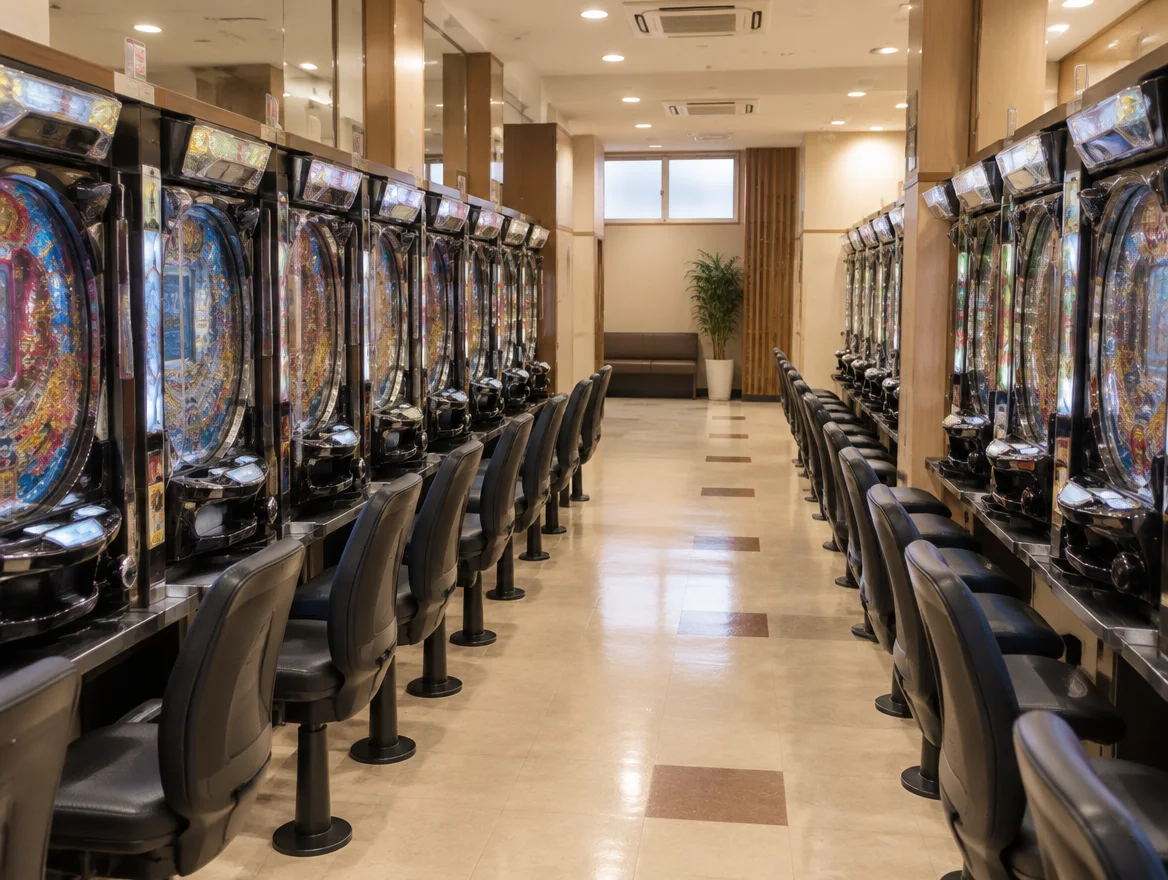
Your first visit, step by step
Everything to do before, during and after your first pachinko or pachislot session: what to bring, choosing a seat, taking breaks, counting up, prizes and leaving.
Before you fly
A pachinko session is a 30–60 minute side quest on a Japan trip. Here's how to fit it in without stress.
An eSIM lets you use maps, translation and our guides from the moment you land.
Japan eSIM
TODO: replace with an Airalo affiliate link after joining (programme listed at 10% commission in our research). Don't publish plan prices until checked.
If we add a partner link here, we may earn a commission at no extra cost to you. How we handle affiliates.
The halls with the strongest evidence of English help in our directory are in major hubs: Shinjuku and Asakusa in Tokyo, and Namba, Umeda and Shinsekai in Osaka. Fukuoka (Hakata and Tenjin) has halls with documented Korean help and English web pages, and there are listings near Nagoya Station and in Takayama. See the parlour directory for exact addresses.
Rail passes
TODO: research JR Pass options and affiliate programmes (no commission data verified yet) before adding anything here.
If we add a partner link here, we may earn a commission at no extra cost to you. How we handle affiliates.
Want a local to show you how? Compare guided pachinko tours (from about US$19 to US$102, as checked in 2026).
Everything to do before, during and after your first pachinko or pachislot session: what to bring, choosing a seat, taking breaks, counting up, prizes and leaving.
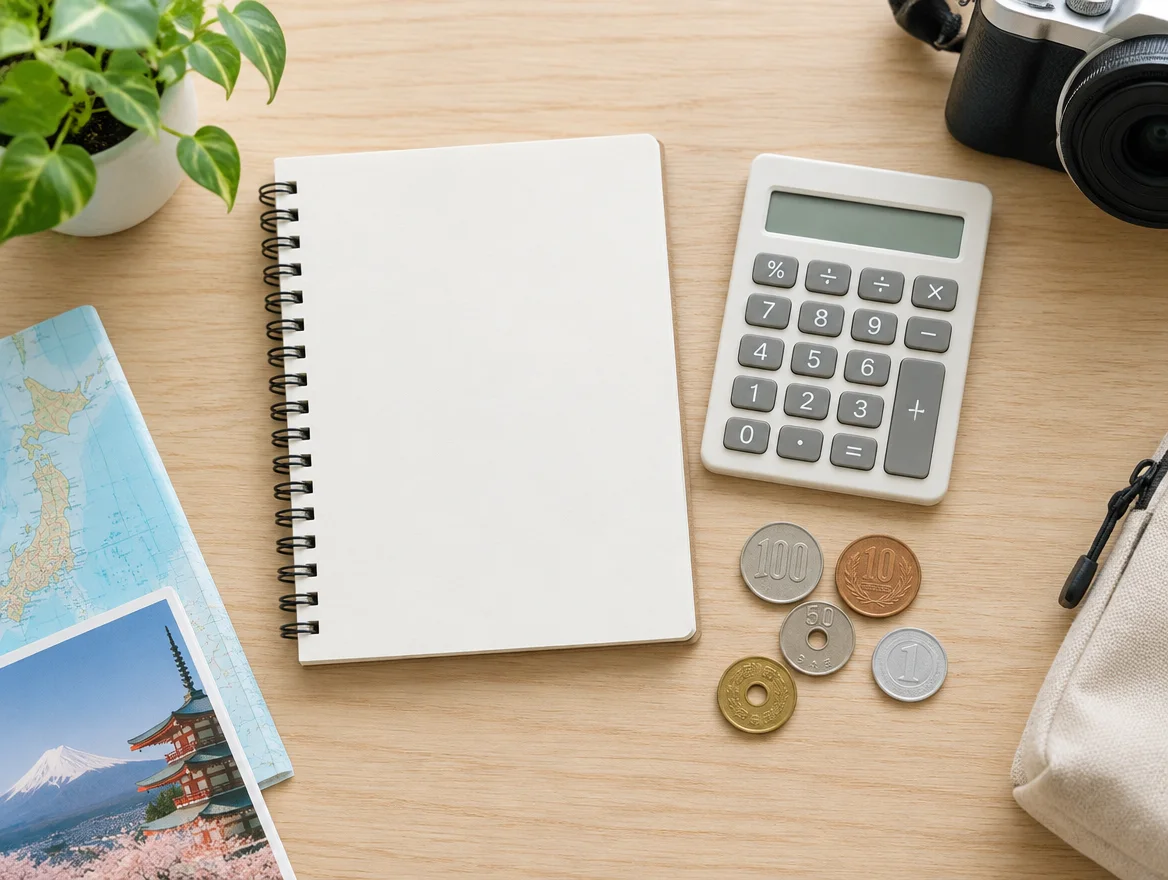
What ¥1,000 actually buys at 4-yen and 1-yen pachinko and at 20-yen and 5-yen pachislot, realistic first-visit budgets, and why you control the maximum you can lose.
The house rules nobody tells visitors: 18+ and ID, where you can smoke since 2020, how to tell if a seat is taken, breaks, photos, member cards and saving balls.
Pachinko in Shinjuku: MARUHAN in the Godzilla building, with staff who teach in English, Chinese and Korean, plus guided Kabukicho tours, hours and a plan for the night.
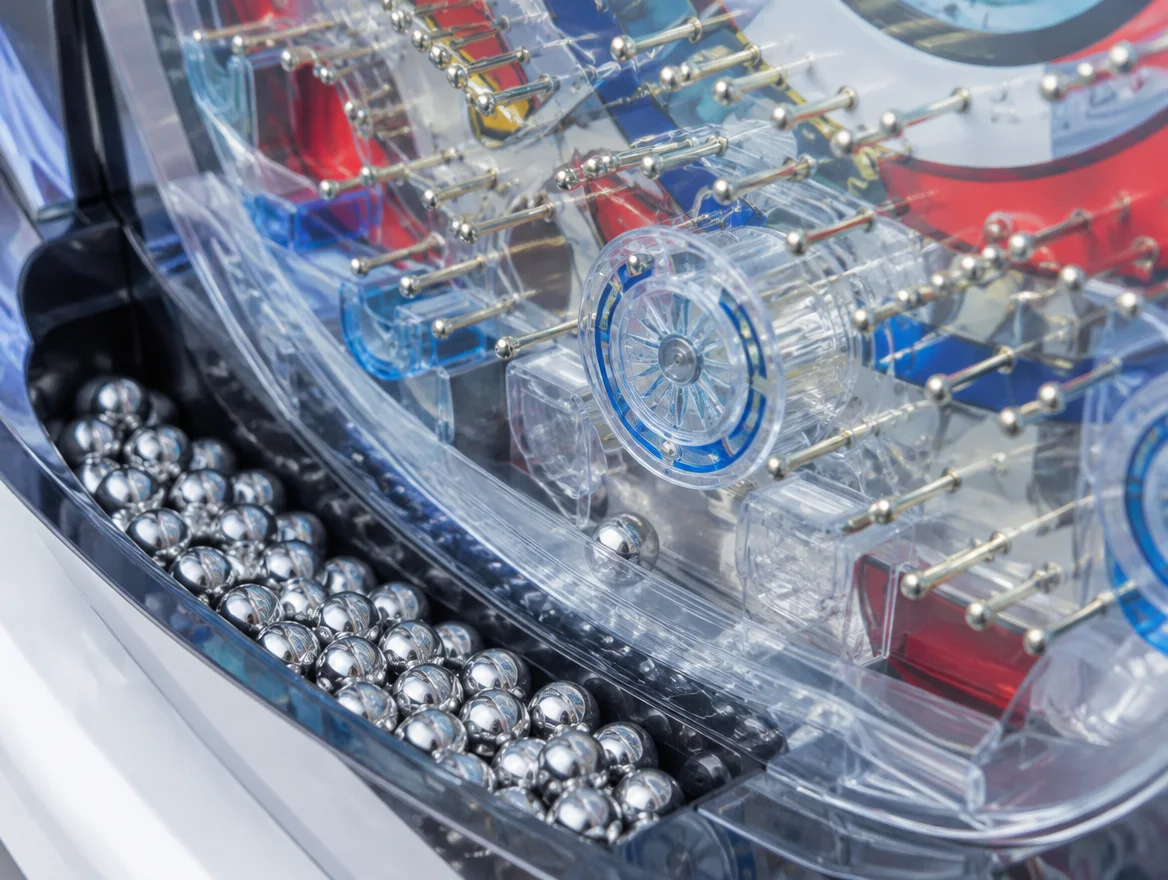
Pachinko in Akihabara, Tokyo's anime capital: the halls near the station, what's verified about English help and what isn't, anime machines, and an otaku day plan.
A one-day Osaka plan for anime fans: Den Den Town and Ota Road, an hour at a MARUHAN Namba hall with English help, then Dotonbori, with Shinsekai or Umeda options.
Japan's biggest pachinko chains by hall count, what each brand name looks like on the street, and which chains have English-friendly halls in PachiPass's verified list.
Pachinko in Namba, Osaka: MARUHAN's Namba Hon-kan and Shin-kan with English, Chinese and Korean help, Shinsekai nearby, and fitting a session into a Dotonbori evening.
Pachinko near Osaka Station: Q-Bang!'s two Umeda halls in the Osaka Ekimae buildings, with a beginner experience for visitors, and how Umeda compares with Namba.
Pachinko in Fukuoka: PLAZA Hakata and Tenjin with English pages, Tamaya Honten and Venus Gallery Kiyokawa with Korean support, and pairing a session with yatai.
MARUHAN is Japan's largest pachinko company by sales: its four visitor-friendly halls in Osaka and Shinjuku, the free multilingual manga guide, rates and ID rules.
Q-Bang! runs two pachinko halls by Osaka Station in Umeda with a 'pachinko experience' for overseas visitors, self-guided or staff-attended. What we could verify.
AMUSE is an Osaka-founded pachinko chain whose Asakusa hall has multilingual manuals, a currency exchange machine and a translation device. Facts and visitor tips.
PLAZA is a Fukuoka pachinko chain with English pages for its Hakata Station and Tenjin halls: rates, hours, machine counts, the English beginner guide and the company.
Tamaya is a Fukuoka and Saga pachinko chain whose flagship, Tamaya Honten in Haruyoshi, has Korean, Chinese and English pages and Korean how-to videos. Visitor notes.
How PachiPass plans to rate pachinko parlours for foreign visitors: the evidence we record, the status levels, English-support levels and why we don't publish scores yet.