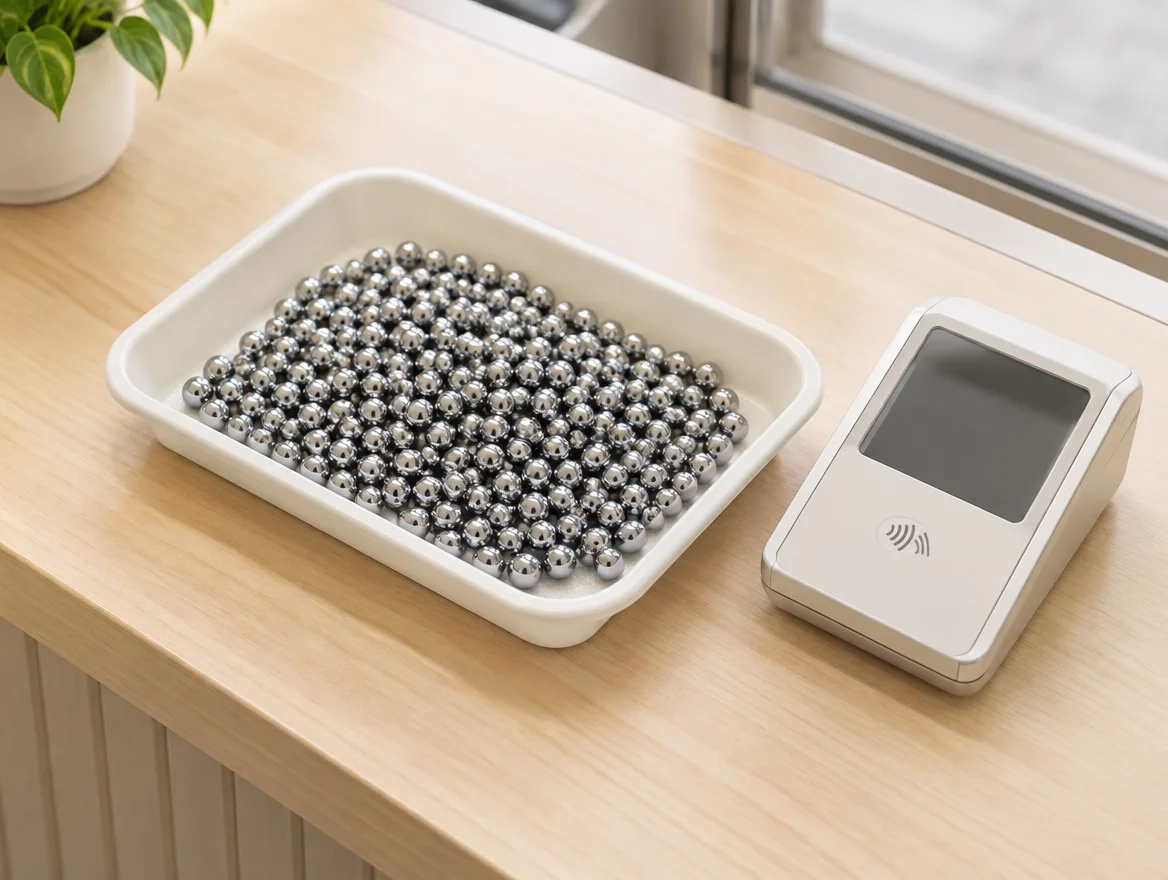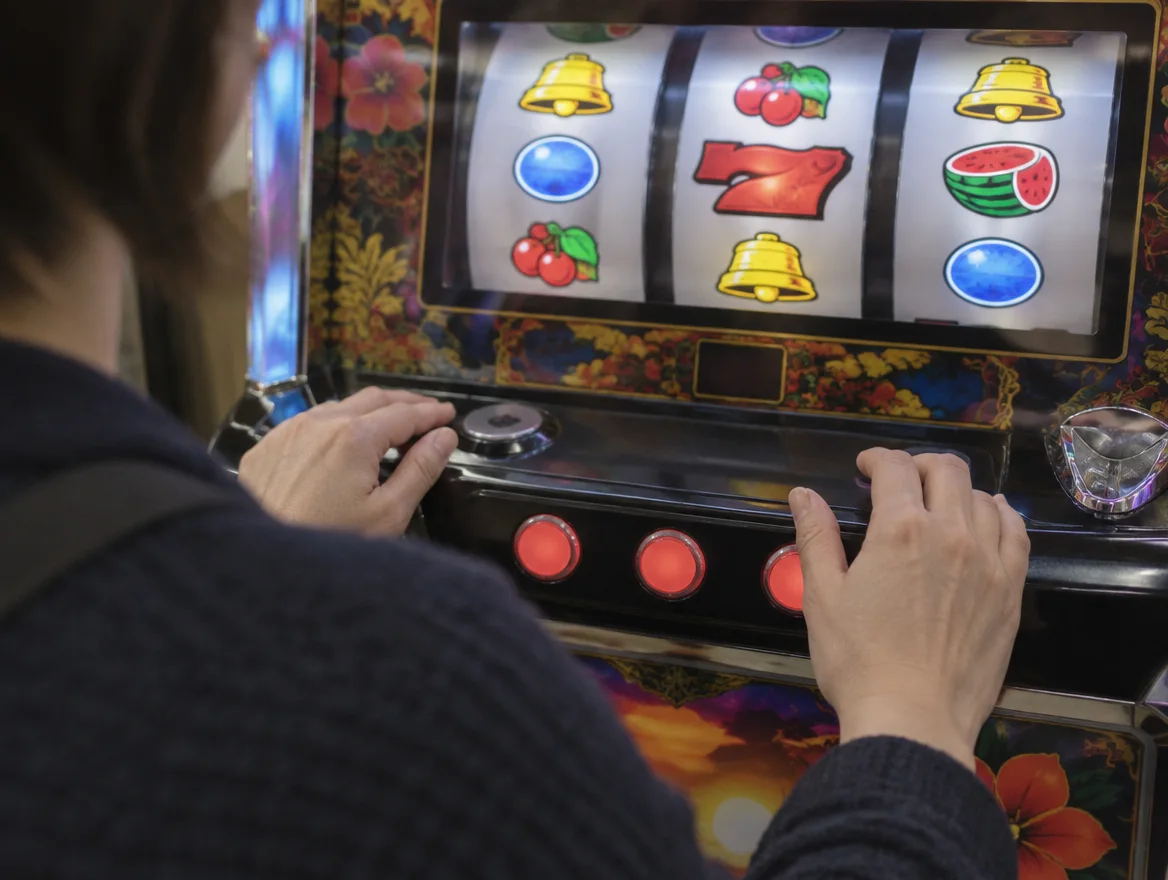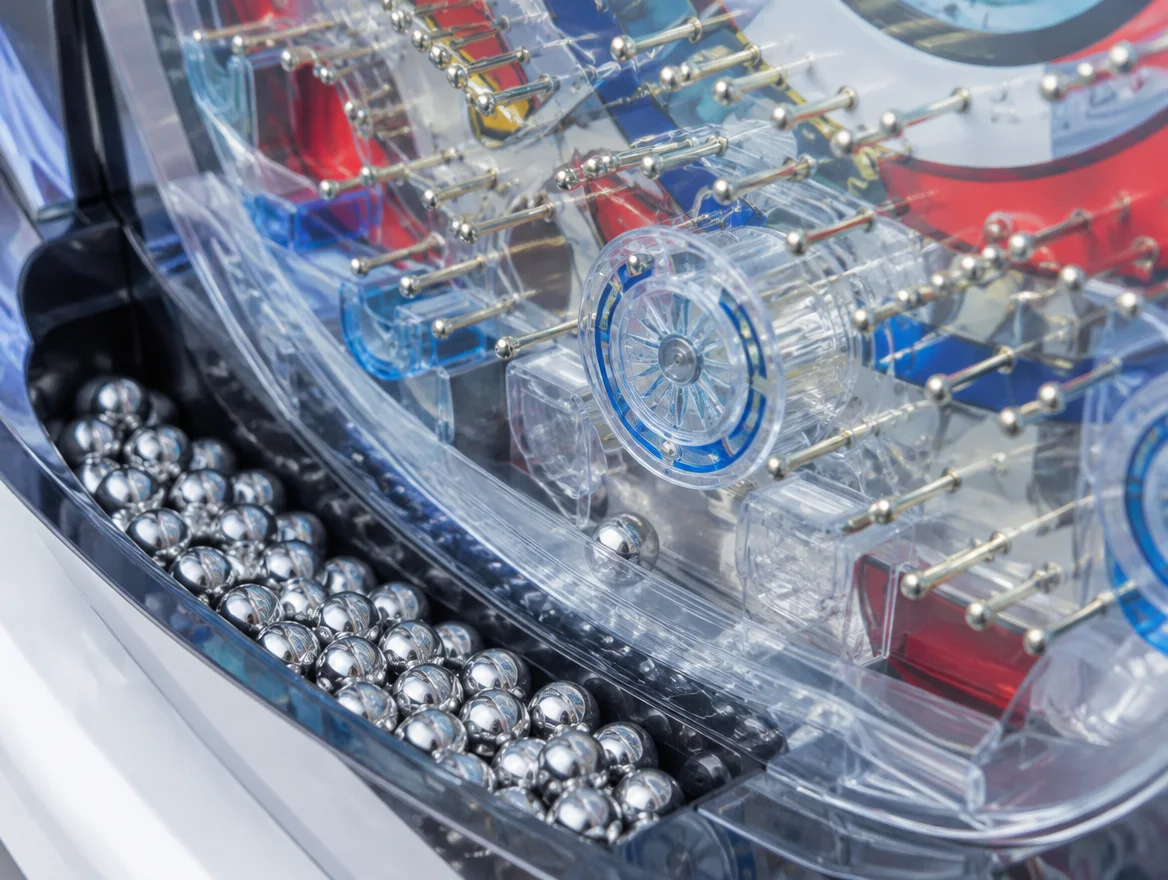
Walk into a pachinko hall and you’ll see signs like 4円パチンコ and 1円パチンコ, or 20円スロット and 5円スロット. These are rates: the price of renting one ball or one medal. They’re the single biggest factor in how quickly your money goes.
The rates
| Corner | Japanese | Price per ball/medal | What ¥1,000 rents (before tax) |
|---|---|---|---|
| 4-yen pachinko | 4円パチンコ (よんぱち) | ¥4 | about 250 balls |
| 1-yen pachinko | 1円パチンコ (いちぱち) | ¥1 | about 1,000 balls |
| 20-yen pachislot | 20円スロット | ¥20 | about 50 medals |
| 5-yen pachislot | 5円スロット | ¥5 | about 200 medals |
The “¥1,000” column is simple division. DMM Pachitown’s English guide notes that a 4-yen machine dispenses 125 balls for ¥500, and that most halls now include consumption tax, so you may get slightly fewer, for example about 46 medals instead of 50 for ¥1,000 on a 20-yen slot. It also mentions rarer rates such as 0.5-yen pachinko and 10-yen slots (DMM pachinko, DMM pachislot).
What actually changes
- Your money lasts longer at 1-yen. Four times as many balls for the same spend means more time at the machine.
- Prizes are smaller too. The same article requires prizes to be equal in value to the balls or medals they’re exchanged for (e-Gov). A 1-yen ball is worth a quarter of a 4-yen ball at the prize counter. See prizes explained.
- The model is the same game. The same machine model can appear in both corners, with its jackpot odds shown on the cabinet. The rate changes the price of playing, not the game. Some machines have adjustable settings, which you can’t see from outside; see settings explained.
- Newest machines may be 4-yen only. DMM notes that most halls focus on 4-yen, so the latest machines may only be in the 4-yen section (DMM).
Which should you choose?
For a first visit, the cheaper corner. That’s what operators who run visitor programmes suggest: Q-Bang! recommends low-rate machines such as 1-yen pachinko to beginners (Q-Bang!), and all four of MARUHAN’s visitor halls offer 1-yen pachinko and 5-yen slots (MARUHAN).
Not every hall has one. PLAZA Hakata in Fukuoka, for example, lists only 4-yen pachinko and 20-yen slots (PLAZA Hakata). Check the hall’s page or the signs at the end of each row.
Related: how to play pachinko · how to play pachislot · glossary.
Quick answers
What is 1-yen pachinko?
It's a corner where each ball costs ¥1 to rent instead of ¥4, so ¥1,000 gets you about four times as many balls. Prizes are worth correspondingly less per ball.
Are the odds better on 4-yen machines?
The rate is the price of a ball, not a feature of the machine model: the same model can sit in a 1-yen or a 4-yen corner, and its jackpot odds are shown on the cabinet. What the rate changes is how much each ball, and each prize, is worth. (Some machines have adjustable settings; see our settings guide.)
Is there anything more expensive than 4-yen?
Not legally. Japanese regulations cap ball rental at ¥4 per ball and medal rental at ¥20 per medal, plus consumption tax.
Sources
- e-Gov – 風営法施行規則 (Enforcement Regulations of the Entertainment Business Act), Article 36: rental price caps and prize rules (Japanese)
- DMM Pachitown – Pachinko beginner's guide (English)
- DMM Pachitown – Pachislot beginner's guide (English)
- MARUHAN – Play Pachinko (rates at the four visitor halls)
- Q-Bang! inbound site (recommends low-rate machines to beginners)
- PLAZA Hakata – official English store page (4-yen only)
Facts on this page were last checked against these sources on 4 October 2026. Rules, prices and venues change, so always follow the signs and staff at the venue.