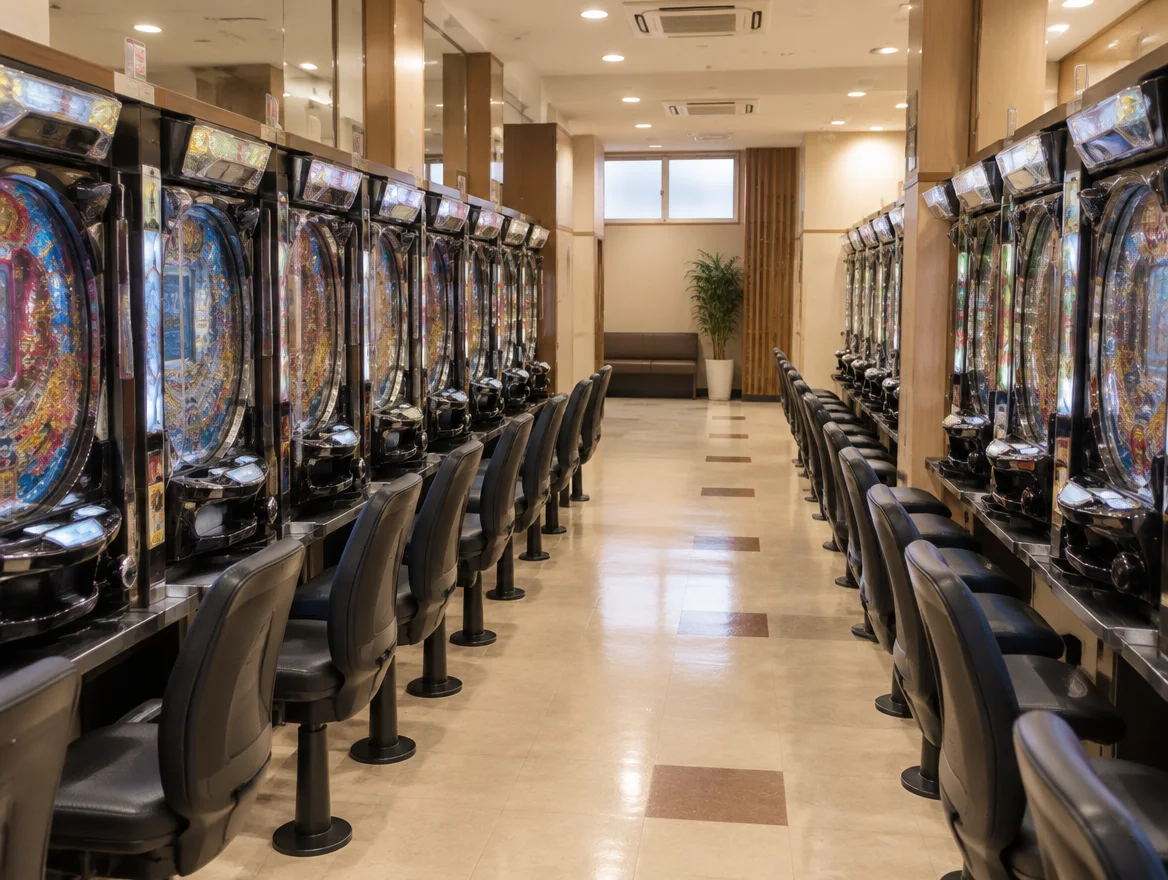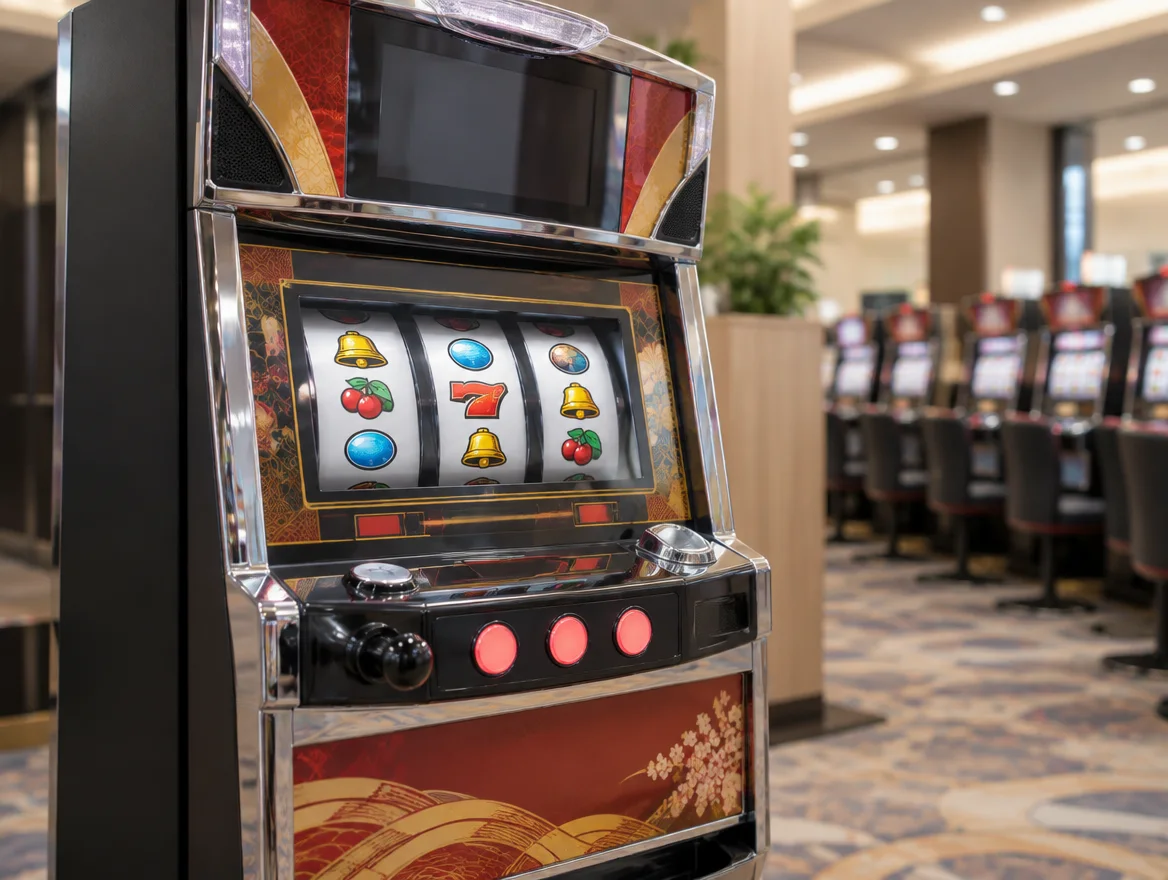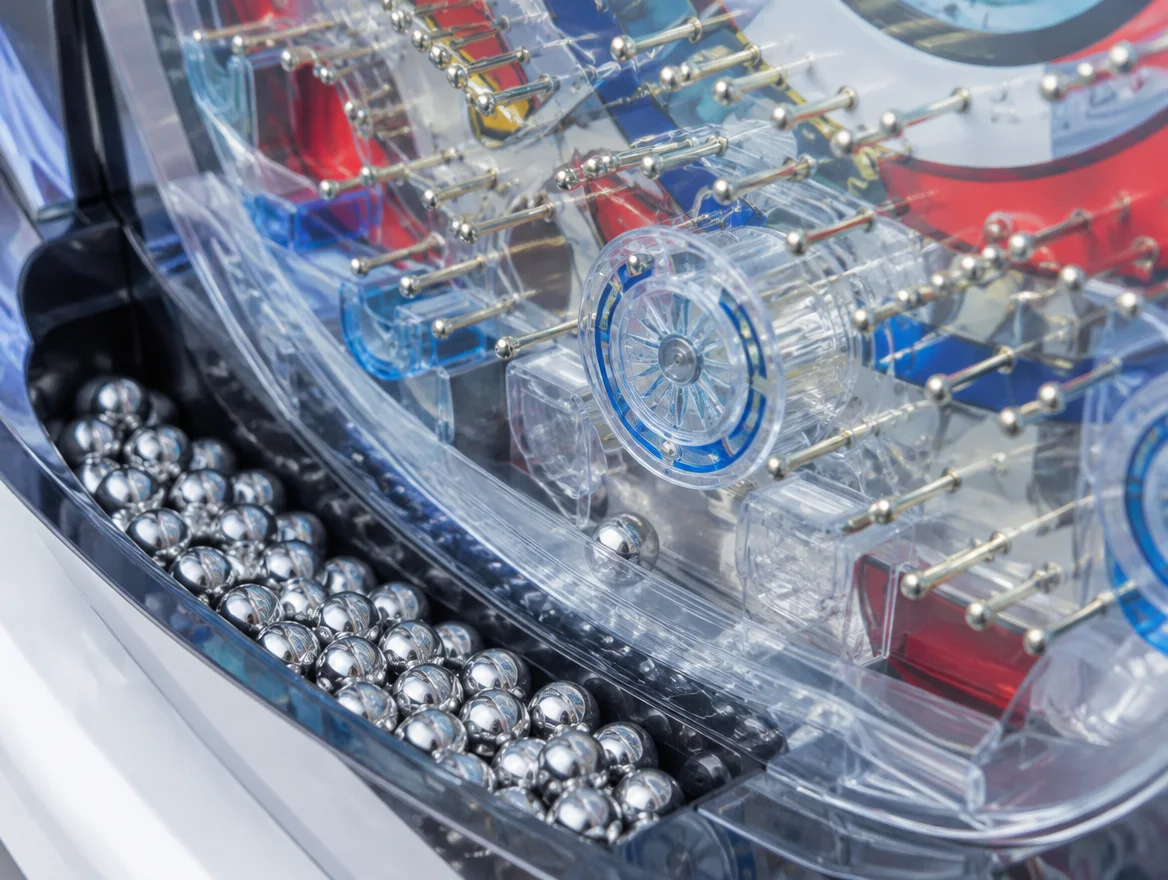
For many people outside Japan, the first time they heard the word “pachinko” wasn’t in a parlour. It was a title card on Apple TV+, a scene in an anime, or a flashing cabinet in a game. Here’s how pachinko shows up on screen, and how screen culture shows up in pachinko.
Pachinko, the drama (and the novel)
The show: Pachinko is an American drama series created by Soo Hugh, based on the 2017 novel by Min Jin Lee. It premiered on Apple TV+ on 25 March 2022, and the second season followed on 23 August 2024. It follows four generations of a Korean family from 1915 to 1989. In 1931 the young Sunja leaves Japanese-ruled Korea for the Koreatown of Osaka. The series shows the discrimination Korean immigrants faced in Japan (en.wikipedia; Apple TV+).
Where the game comes in: Sunja’s son Mozasu becomes a wealthy businessman who owns several pachinko parlours (en.wikipedia).
The novel: Min Jin Lee’s Pachinko was a 2017 finalist for the National Book Award for Fiction. It’s divided into three books, and the third is titled “Pachinko” (en.wikipedia).
Why it resonates: the story touches on the place pachinko-hall ownership has held for some families in Japan’s Korean community (Zainichi Koreans). We plan a dedicated, carefully sourced page on that history. TODO: source it from academic work, not fiction.
Real-world footnote: MARUHAN, Japan’s second-largest chain by hall count, explains on its corporate page that the “Han” in its name comes from the surname 韓 of its founder, Han Chang-woo (MARUHAN, Japanese). See parlour chains explained.
Want to see the real thing after watching? The show is set largely in Osaka. Our Osaka anime and pachinko day includes three halls with official English help.
Kaiji and “the Bog”
Nobuyuki Fukumoto’s gambling manga Kaiji has an entire arc built around a fictional pachinko machine called “the Bog” (パチンコ「沼」, Pachinko Numa). In Tobaku Hakairoku Kaiji, Kaiji teams up with Kōtarō Sakazaki and Yūji Endō to take on a machine that casino manager Seiya Ichijō has rigged to prevent payouts (en.wikipedia):
- each ball costs ¥4,000, a thousand times a normal 4-yen ball;
- the house tightens the pins, uses flippers to knock balls away, and tilts the bottom plates;
- Kaiji’s team wins over ¥700 million.
The arc was adapted in the anime Kaiji: Against All Rules (Madhouse, 2011). The series has also become real machines: pachislot by Rodeo (2004, 2008, 2013) and Sammy (2018), and pachinko by Takao, including several Numa (“Bog”) machines and P-Numa (2018) (en.wikipedia).
Reality check: real pachinko machines must pass official testing, halls are licensed, and the ball price is regulated (is pachinko gambling?). The Bog is fiction, designed to show the house always wins. In a sense, that’s an honest lesson (responsible play).
Anime in the parlour: Evangelion and beyond
Walk any parlour and you’ll find anime everywhere. One landmark: CR Neon Genesis Evangelion (CR新世紀エヴァンゲリオン), made by Bisty (SANKYO) and released by Fields in December 2004. A pachislot version followed in September 2005. Japanese Wikipedia lists a long run of sequels, from Second Impact (2006) through the Rebuild-era machines, and into the P-era after the 2018 rules (ja.wikipedia).
Today, anime-licensed smart slots and smart pachinko fill the rankings. Browse our anime machine database (Tokyo Ghoul, Lycoris Recoil, Sword Art Online, Madoka Magica’s Magia Record, Kabaneri and more) and anime pachinko and pachislot machines.
Many anime fans first meet these machines as footage: pachinko machines often reuse or newly animate scenes from the show. TODO: add sourced examples of anime studios producing new footage for machines.
Korea’s Bada Iyagi (“Sea Story”)
A cautionary tale from next door. Bada Iyagi (바다이야기, “Sea Story”) was a Korean arcade game launched in 2004, built with Japan’s Umi Monogatari (Sea Story) pachinko series as its inspiration. It sold around 45,000 machines by 2006, then became a national scandal over its gambling and addictive nature. Executives were jailed, and the Game Industry Promotion Act passed in April 2006 tightened rules on gambling-like games (ko.wikipedia, secondary source).
For Korean visitors, it’s part of why “pachinko” carries a particular meaning at home. The Japanese Sea Story series is still the one DMM suggests to beginners for its simplicity (beginner-friendly machines).
More screen culture to come
- YouTube and streaming culture (Japan’s pachinko “writers”, English creators). Planned page.
- Pachinko in other manga and films. Planned page.
- Machine soundtracks and anime songs. Planned page.
Quick answers
Is the Apple TV+ show Pachinko about the game?
Not directly. It's a family drama based on Min Jin Lee's 2017 novel, following four generations of a Korean family from 1915 to 1989, much of it in Osaka. The game appears through the family's livelihood. Sunja's son Mozasu becomes a businessman who owns several pachinko parlours.
What is 'the Bog' in Kaiji?
A fictional high-stakes pachinko machine in the manga 'Tobaku Hakairoku Kaiji' and the anime 'Kaiji: Against All Rules'. Each ball costs ¥4,000, a thousand times a normal ball, and the casino rigs it heavily against players.
Are there real pachinko machines based on anime?
Yes, a great many. For example, CR Neon Genesis Evangelion was released in December 2004, and a long series of Evangelion pachinko and pachislot machines followed. Kaiji itself has been made into several pachislot and pachinko machines.
Sources
- en.wikipedia – Pachinko (TV series) (premiere dates, synopsis, Mozasu's parlours)
- en.wikipedia – Pachinko (novel) (2017; National Book Award finalist; Book III 'Pachinko')
- Apple TV+ – Pachinko (official series page)
- en.wikipedia – Kaiji (manga) (the Bog; adaptations; licensed machines)
- ja.wikipedia – CR新世紀エヴァンゲリオン (December 2004 machine and sequels)
- ko.wikipedia – 바다이야기 (Bada Iyagi scandal)
- MARUHAN – corporate profile (origin of the company name; Japanese)
Facts on this page were last checked against these sources on 4 October 2026. Rules, prices and venues change, so always follow the signs and staff at the venue.